

Notes on trust: Conclusion

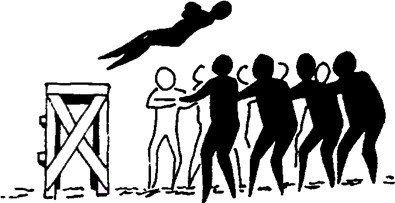
In an article during the first Trump ascendancy in 2016, the columnist Ed Smith wrote a passage which stayed with me:
Donald Trump is both the embodiment of political failure and the result of political failure – or perceived political failure. He represents political failure because he has accelerated the descent of political discourse: “They’re rapists, build walls, ban Muslims.” He is the result of political failure because he taps into a deep, subliminal anger: the conviction that “the system” has betrayed and abandoned the people.
Despite widespread political correctness, there is one group that it is perfectly legitimate to despise: politicians. When I worked for a newspaper, I was surprised one day to hear a reporter, usually so fair and mild-mannered, describe her hatred and contempt for politicians – ‘the worst people, just disgusting’. This is the kind of comment you hear from normally civilised and balanced people, who usually don’t know any politicians personally, but feel quite certain of the truth of their conviction.
When writing these ‘Notes on trust’ I’ve deployed a range of shorthands – cynicism, discontent, anti-politics – to describe the sentiment of which Smith wrote. Readers may disagree about whether ‘distrust’ is exactly the right word or even about whether ‘trust’ is a realistic aspiration for those in power. But whatever term we’re using, I think it’s unarguable that a situation where politicians are held universal contempt is a bad thing.
The debate about why this contempt exists is protected by a forcefield of preconceptions (hence my first piece addressed the red herring explanations we commonly hear). Those best-placed to restore faith in politics are often asking the wrong question: ‘How can we make ourselves more trusted than our opponents?’ rather than ‘How can we improve trust overall?’. And onlookers frequently blame factors which happen to coincide with their own interests and priorities.
My central argument is that low trust is the result of a context where our leaders have less agency, but are subject to more exposure and higher expectations. In particular, the intense scrutiny of the information age has caused politicians to shrink from the light.
The two most important skills needed to restore trust are explanation and argument. These muscles need to start being used again. Meanwhile, forms of tribalism which bring diminishing returns and – which unwittingly feed disillusionment – should be avoided.
The series has been largely diagnostic, and only really scratches the surface when it comes to the practical steps that can be taken. I may add more ‘notes’ in future. But the central point is that politicians need to develop the confidence to engage in a more grown-up relationship with voters – and voters with politicians. Those who manage to do this over the next few years stand the best chance of defeating populism, and of winning the public’s permission to make the big changes that are so obviously needed.